Harringay Man And Van in Harringay for practical home and office moves

Harringay Man And Van provides a straightforward moving service in Harringay for household moves, flat clearances, student transport, single-item collection and smaller office relocations. It is built around transporting items safely, loading them with care and making the process manageable when a full-size removal lorry would be unnecessary. The emphasis is on useful transport support rather than unnecessary extras, so customers can arrange the right vehicle and help for the job in hand.
The service suits moves that need flexibility: a few rooms of furniture, awkward objects that need careful handling, or a timed collection that benefits from a van-based approach. Where packing support, dismantling or moving-heavy items are needed, those tasks can usually be planned as part of the job. For a clearer idea of what is available, see the man and van service overview and the home moves page.
If you are comparing options, the simplest way to begin is to identify the items, the access, and the destination, then ask for a quotation based on the actual work involved. If the move includes stairs, long carries, a tight loading space or several pick-up points, those details help shape the right plan. For a detailed price discussion, the pricing and quotes page is the best place to start. Tell us what needs moving and when, and the request can be shaped around the job rather than a generic estimate.
House moves, flat moves and general domestic transport
Domestic moving work usually benefits from a service that can adapt to the size of the property and the type of access. A man and van arrangement is often chosen for one-bedroom flats, shared homes, studio moves or partial household transport, but it can also work for larger jobs when the inventory is planned sensibly. The key is to match the lifting capacity, vehicle space and route planning to the move, so items are moved in a way that is orderly and controlled.
For customers comparing household options, the service pages on house removals, house movers and house removalists give a clearer view of domestic moving support, while removals and removal services cover broader moving requirements. These pages can help when deciding whether a smaller van arrangement, a more structured home move or a mixed service is the better fit for the property, the furniture and the timetable.
Good domestic transport is often about avoiding unnecessary handling. Sofas, wardrobes, tables, beds and boxed contents all behave differently in a van, and some pieces need separating before they are loaded. It helps to think in terms of access, protection and sequence rather than simply “moving everything at onceâ€. If you want to narrow down the practical plan, an initial enquiry can be based on the rooms involved, the parking available and any heavier items that need care. Please ask for a quotation once the basics are known.
Furniture, single items and careful loading

Not every booking is a full move. Some requests only involve one or two large pieces, or a collection from a seller, store or storage space. That is where a man and van service can be efficient: there is enough transport to handle substantial items, but the job remains focused and manageable. Furniture transport needs attention to width, weight, wrapping and whether the item can be taken apart, so the collection is prepared for the van rather than simply placed into it.
For this type of work, the pages for furniture pick up, moving van and moving truck help indicate the kind of transport support available for larger articles and mixed loads. If a customer only needs specific belongings collected, man with a van and man with van are useful descriptions of the same core idea: a flexible vehicle-led move with practical lifting help.
Because these jobs vary so much, pricing is usually shaped by the number of items, the distance, the access at each end and the amount of handling needed. A chair and sideboard collection does not call for the same planning as a long-distance furniture transfer or a multi-stop collection. To keep the arrangement sensible, make a simple list of the items, note any fragile pieces and mention whether they must be carried up or down stairs. That makes it easier to request an accurate quotation without overcomplicating the booking.
Packing, protection and unloading support
Many moves run more smoothly when packing and unpacking are considered alongside the transport itself. Boxes should be filled in a way that protects the contents and also stacks well in the van, while loose items need separating so they do not shift in transit. Some customers only need help loading and unloading; others want a fuller packing arrangement for breakables, kitchenware or awkward household pieces. A practical service is one that can adapt to those differences instead of treating every job the same.
The packing and unpacking services page is useful if you want to understand what can be covered before or after transport. In some cases, a move also benefits from checking the insurance and safety information, particularly where valuable or delicate items are involved. A clear plan for cartons, wrapping and placement reduces the risk of damage and helps the load to be arranged properly in the vehicle.
When preparing a request, it is usually enough to give a practical overview rather than a long explanation. A basic inventory, the pickup and delivery points, and any special handling notes will normally be enough to shape the move. If you are unsure how much packing help is needed, describe the items that feel difficult to manage and ask for the level of support that makes sense. That keeps the job practical, which is often the best way to request a quotation.
Office relocation and commercial transport

Commercial moves call for a slightly different approach because desks, chairs, archive boxes, monitors and small business equipment often need careful sequencing. A man and van service can be a useful option for compact offices, branch relocations or overflow transport between sites, especially where the move needs to happen in stages. The main priorities are to keep the equipment organised, reduce downtime and move items in a way that suits the office layout and access at each end.
Relevant support is set out on the office removals and office relocation services pages, with the broader commercial moves page covering business transport more generally. These pages are helpful when planning a modest relocation, a furniture shuffle between premises or the transfer of equipment that needs sensible loading and unloading rather than large-scale logistics.
For business enquiries, the most helpful information is usually simple and specific: what must move, whether the premises have lift access, what time window is available and whether any items need to be assembled again on arrival. If the office contains filing, screens, printers or mixed technology, those details help decide how the job should be handled. The aim is to keep the move efficient without making it more complicated than it needs to be.
Planning the job, access and quotation details
Most moving jobs become easier to price and organise when the practical details are clear from the outset. Access matters because a short carry from a ground-floor entrance is very different from a long walk through a building or a narrow staircase. Parking space, lift availability, loading restrictions and the number of helpers required can all affect how the work is planned. Good preparation is not about creating paperwork; it is about making sure the vehicle, route and handling method fit the move.
A useful quotation request normally includes the collection and delivery postcodes, the type of property, a rough item list and any obstacles that could slow loading. If a job involves dismantling furniture or moving unusually shaped items, mention that as well. Clear information helps avoid guesswork. For customers who want to compare broader service options, the removal company and removal companies pages provide an overview of how removals may be structured, while removal company can also be useful when judging the sort of service framework offered.
Two brief steps are usually enough: first, gather the essentials about the move; second, ask for a quote based on those details. If you are ready to move forward, send the item list and preferred dates together so the request can be assessed properly. That approach is often quicker than trying to describe the move in general terms and then filling in the gaps later.
What a van-led removals service can cover
A van-led removals service can cover more than basic transport, provided the job is matched to the right scope. It may include loading help, secure stacking, transport between addresses and unloading at the destination. Some jobs also need a little flexibility for picking up items from different places on the route. The advantage is that the service stays close to the actual task: moving belongings safely without requiring a larger operation than necessary.
If you want to compare the related service structure, the pages for man and van removals, man with van removal and removal van explain the transport side of the work from slightly different angles. The broader removal van and removal truck hire pages can also help when deciding whether a smaller or larger vehicle is the right fit for the items involved.
There is a practical limit to any moving arrangement: if the load is too large, too heavy or too fragmented for the vehicle and handling available, it is better to discuss the scope before the booking is fixed. That is not a drawback; it is how a sensible service stays safe and workable. The right quotation should reflect the move as it is, not as it might be in an idealised version.
About Harringay

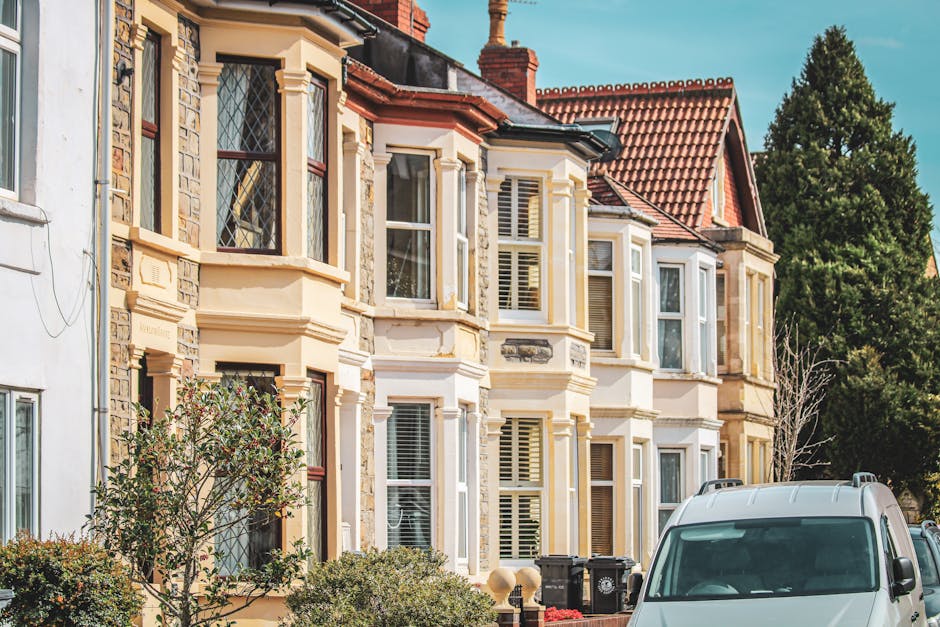
Harringay is a district in north London within the London Borough of Haringey, best known for the linear sweep of the Green Lanes corridor and for the range of housing styles found across its streets. The area includes parts of the Great Northern Railway’s historic route and sits close to several transport links that have long shaped movement across north London. Its character is often associated with a mix of Victorian and Edwardian terraces, later residential additions and a busy high street atmosphere along Green Lanes. The name Harringay is commonly distinguished from nearby Harringay Green Lanes station, Harringay railway station and the broader Haringey borough, which can sometimes cause confusion for visitors and new residents.
One of the area’s most recognisable features is Finsbury Park to the south-west, a large public open space that has long served surrounding neighbourhoods. Harringay itself is also near the North London line and the route of the A105, with Green Lanes acting as a commercial spine that supports shops, restaurants and everyday services. The local built environment reflects London’s wider suburban growth in the late nineteenth and early twentieth centuries, when rail access encouraged dense residential development. Today, Harringay remains a place of busy streets, mixed housing and established community life, with its urban grain shaped by both transport and retail activity. The combination of terraces, main-road frontage and railway infrastructure gives the district a distinctive structure within north London’s patchwork of neighbourhoods.
Domestic and business removals with a practical approach
When a move involves mixed contents, the best approach is usually to group the work into clear parts: furniture, boxes, fragile items, and anything that needs dismantling or special care. That makes it easier to load the van in a stable order and to unload without confusion at the other end. A well-planned man and van job is not about rushing; it is about sequencing the work so that the most awkward pieces are dealt with first and the smaller items fill the remaining space sensibly.
For customers who want to compare the range of available support, the movers, removals near me and removal services pages offer a broader view of the moving options on the site, while removals van and removals are useful if you are deciding how much transport capacity the job may require. The strongest choice depends on the size of the load, the type of property and how much help is needed with lifting.
There is also a practical side to timing. Some customers need a move to fit around work, tenancy changeovers or collection windows; others simply want a date that aligns with access and vehicle availability. Whatever the reason, it helps to give the preferred date range, the addresses and the main items in one message. That keeps the response focused and makes it easier to prepare a quotation that is tied to the actual move.
Safety, security and responsible handling

Good moving work depends on responsible handling as much as transport capacity. Items should be carried using a method that reflects their shape, weight and fragility, and the vehicle should be packed so that heavier pieces support the load rather than crush it. Safe loading also means thinking about routes, doorways, stairs and the point at which an item may need to be turned or lifted by two people. These are ordinary practical matters, but they make a significant difference to how smoothly a move goes.
If you want to review the supporting information, the health and safety policy and payment and security pages set out the site’s approach to those subjects, while recycling and sustainability is relevant where unwanted items or packaging need to be considered. Complaints procedure and terms and conditions may also be useful for customers who prefer to understand the wider service framework before proceeding.
When you are ready to move from planning to booking, the final step is simply to ask for a quotation with the key details already gathered. If the job includes several pickup points, furniture that must be dismantled, or access that needs special attention, state that clearly so the response reflects the full scope. Please request a quotation when you are ready, and keep the description practical so the move can be arranged accurately.