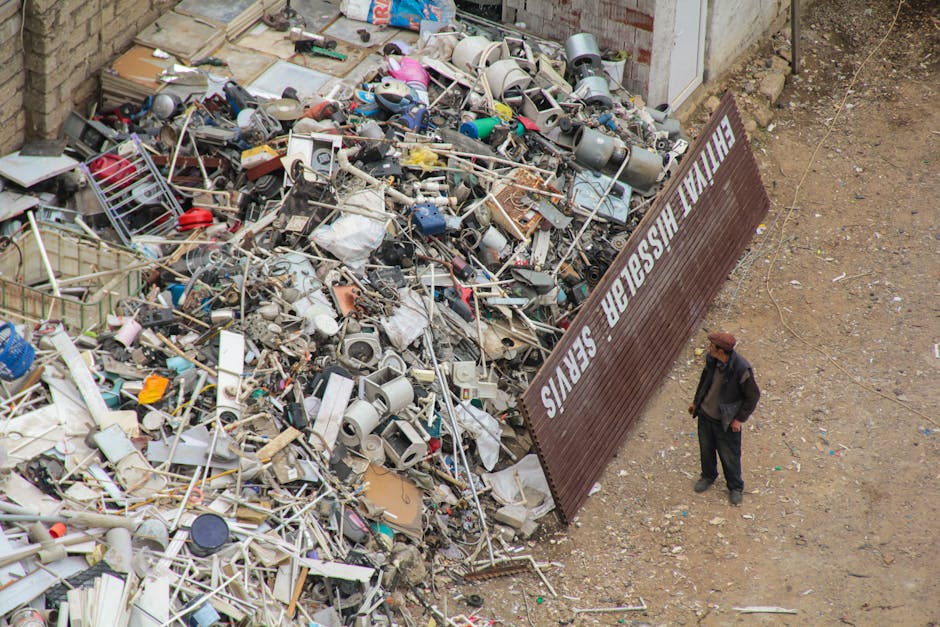
Harringay Removals Compliance with Waste Disposal Laws: A Practical Guide for Safe, Legal Moves
If you are planning a move in Harringay, waste is rarely the glamorous part. Yet it is often the bit that causes the most trouble. Old furniture, broken appliances, wrapping materials, attic clutter, office junk, garden waste, last-minute leftovers from the kitchen - all of it has to go somewhere, and Harringay removals compliance with waste disposal laws is what separates a smooth move from an avoidable headache.
Done properly, waste handling protects you from fines, protects the environment, and keeps your move tidy and predictable. Done badly, it can leave you with fly-tipping risks, missed collections, and awkward questions about who was responsible for what. Truth be told, people often only think about this after the van has arrived and the packing tape is already everywhere. Better to deal with it early.
This guide explains what compliance means in plain English, how it works in practice, what to ask a removal team, and how to keep your move legal without making it complicated. It also covers the little details people forget - the ones that matter when bins are full, stairwells are narrow, and time is short.
Why Harringay removals compliance with waste disposal laws Matters
Waste law is not just a background issue. It sits right in the middle of moving day logistics. If a removal job produces waste, someone has to make sure it is handled lawfully, documented sensibly, and disposed of through proper channels. That may sound formal, but in practice it is mostly about common sense, good records, and choosing a company that knows what it is doing.
In a busy London area like Harringay, there is little room for sloppy waste handling. Streets are tight. Access can be awkward. Parking is often limited. A pile of old boxes outside the wrong property can become an issue fast. And if waste is left in a communal area or dumped without proper transfer arrangements, the blame does not magically disappear because the van drove away.
That is why compliance matters for both households and businesses. For domestic moves, the concern is usually unwanted furniture, packaging, and leftover items. For commercial moves, the stakes can be higher: confidential waste, office equipment, and larger quantities of packing material all need a proper plan. A well-run move keeps the chain of responsibility clear.
Expert takeaway: the safest approach is to treat waste as part of the move plan, not as an afterthought. If it is sorted late, it is usually costlier, messier, and riskier.
There is also a trust issue. People want to know their mover is not simply loading a van and hoping for the best. If you care about reliability, it helps to check details such as waste handling, insurance, and the company's approach to sustainability. Pages like recycling and sustainability and health and safety policy can give a useful sense of how seriously a provider takes responsible operations.
How Harringay removals compliance with waste disposal laws Works
At a practical level, compliance starts with identifying what counts as waste. That can include damaged items, broken fixtures, unwanted household goods, packing waste, business furniture, and materials that cannot be reused. The next step is deciding whether the item will be reused, donated, collected separately, or taken away as waste. Simple enough. The detail is in the sorting.
Most removal jobs follow a fairly ordinary sequence:
- Items are reviewed before the move, so everyone understands what is staying, what is going, and what needs special handling.
- Waste is separated from reusable goods where possible. This makes the job cleaner and often cheaper.
- Any restricted items are identified early. Not everything can just go into a van and be tipped later. That would be a very bad idea, obviously.
- The removal team arranges lawful disposal, recycling, or transfer to an appropriate facility or collection route.
- Records are kept where needed, especially for commercial work or larger clearances.
That process sounds orderly, but moving day can get messy fast. A wardrobe with a broken back panel, a mattress wrapped in old film, a box of mixed cables, and a bag of paint tins all create different compliance questions. Good movers know to slow that moment down rather than rush past it.
For households, this often means separating furniture pick-up items from ordinary rubbish. If a heavy sofa is going, it may need a different collection arrangement from a pile of cardboard and bubble wrap. For business relocations, the same logic applies to office chairs, filing units, electronics, and packing waste. If you are arranging a larger move, services such as office removals or commercial moves are especially relevant because waste volumes tend to build quickly.
Another part of the process is transport. Waste should not be mixed in with unrelated goods if that creates contamination, damage, or confusion. A properly managed removals service or man and van arrangement should be able to explain how it handles waste separately from items being delivered.
Key Benefits and Practical Advantages
Compliance may sound like a legal chore, but it has real, everyday benefits. The first is peace of mind. When waste handling is sorted, you do not have to wonder whether a pile of old items will come back to haunt you later. You can focus on the move itself.
The second benefit is speed. When a team knows what can be reused, recycled, or disposed of, loading becomes more efficient. That means less faffing about on the day. In our experience, a five-minute decision made during the survey can save half an hour at the kerb.
The third benefit is better cost control. Waste that is separated properly may be cheaper to handle than waste that is mixed and difficult to sort. It can also prevent last-minute add-ons. Nobody likes a surprise fee after the kettle has been unplugged.
There is also a reputational advantage for businesses. If you are moving an office, your staff and clients notice how the move is managed. Clear waste procedures show that the organisation is organised, environmentally aware, and not making other people clean up the mess. That matters more than people sometimes admit.
And yes, there is an environmental benefit too. Reuse and recycling are preferable wherever possible. Services like furniture pick-up can help keep usable items out of general waste streams, while a provider with a clear sustainability approach will usually be better at spotting practical recycling opportunities.
| Approach | What it usually means | Best for | Main downside |
|---|---|---|---|
| Reuse first | Items are passed on, sold, donated, or kept in circulation | Good-condition furniture, appliances, office items | Needs planning and time |
| Recycling route | Materials are separated for lawful processing | Cardboard, metals, some plastics, mixed move waste | Not everything is recyclable |
| General disposal | Unwanted items go through approved waste channels | Damaged, unsalvageable, or contaminated items | Can be less efficient if overused |
Who This Is For and When It Makes Sense
This topic is relevant to almost anyone moving in Harringay, but some groups need to pay closer attention than others. Homeowners often want waste cleared quickly because they are juggling keys, cleaners, and the endless small tasks that seem to appear at 8 p.m. the night before completion. Tenants may need to clear leftover belongings without leaving the flat in a bad state. Landlords often need reliable clearance between occupiers. Straightforward enough.
Small businesses and larger organisations have a different set of concerns. Office moves create packaging waste, redundant furniture, and sometimes electronic equipment that must be handled carefully. If confidential papers or old devices are involved, waste management becomes part logistics, part risk control. Services such as office relocation services and removal company support are often chosen because they reduce the number of separate contractors needed.
It also makes sense for people doing partial clearances rather than full moves. Maybe you are keeping the sofa but not the old dining chairs. Maybe the garage is full of stuff that never quite made it onto the skip list. Maybe the loft has become a time capsule of broken lamps and cardboard boxes. We have all seen that sort of thing, and the right service can make it feel much less overwhelming.
For anyone comparing providers, the real question is not just "Can they move my things?" but "Can they manage the waste responsibly while they do it?" If the answer is yes, you are in a much stronger position.
Step-by-Step Guidance
Here is the most practical way to handle Harringay removals compliance with waste disposal laws without turning the move into a legal project.
- Walk through the property item by item. Decide what is being moved, what is being discarded, and what is uncertain. Uncertain items are where mistakes usually start.
- Separate reusable goods from waste. A chair that can be passed on should not be lumped in with broken packaging or food waste.
- Identify special items early. Some items need extra care, such as electricals, mattresses, bulky items, paint, or anything that could leak, break, or contaminate other loads.
- Ask the mover how they handle waste. Do they separate recycling? Do they offer furniture pick-up? Do they provide guidance for commercial waste? Ask plainly.
- Check access and loading conditions. Tight stairwells, basement storage, or shared entrances can affect how waste is moved out safely. This matters more than people think.
- Keep a simple record. Even a photo list or short written note can help you track what left the property and when.
- Confirm the final disposal route. For larger or business moves, it is wise to know whether waste is being recycled, reused, or disposed of through lawful channels.
If you are booking a broader move, it can help to combine the waste plan with the packing plan. A service such as packing and unpacking services can reduce mixed waste because items are organised earlier, and that usually means fewer "Where on earth does this go?" moments on moving day.
A useful rule of thumb: if an item feels awkward, questionable, or unusually heavy, do not leave the decision until the van is half loaded. That is when compliance slips happen.
Expert Tips for Better Results
The best compliance is often the boring kind. Not dramatic. Not last-minute. Just neatly planned and quietly effective.
Start with a waste list before the move date, even if it is rough. The goal is not perfection; it is reducing surprises. A three-column list works well: keep, move, dispose. That tiny bit of structure can save a lot of back-and-forth.
Try to group waste by type. Cardboard, soft packaging, furniture, electrical items, and general rubbish are easier to manage when they are not tangled together. It sounds obvious, but on a moving day with doors open and someone asking where the tea bags are, obvious things get missed.
Keep small but troublesome items together: batteries, cables, chargers, screws, and loose fixings. These are the bits that vanish into boxes and reappear three months later in a drawer. Better to bag them separately.
For office moves, ask about data-bearing equipment and confidential materials before the packing starts. Waste compliance is not only about physical rubbish; it also includes responsible handling of items that should not be casually dumped or mixed with general waste.
Choose a provider with clear policies. A reputable company should be able to explain its approach in plain English and back it up in writing through pages such as terms and conditions, insurance and safety, and its recycling and sustainability information.
One more thing. Ask what happens if the volume of waste turns out to be higher than expected. That happens all the time. More often than people admit. Good providers have a sensible answer, not just a shrug and a bigger invoice.
Common Mistakes to Avoid
Some mistakes are annoyingly easy to make, especially when the move is rushed. The first is assuming that "someone else will sort it." If you are the tenant, homeowner, or business manager, the responsibility does not vanish just because the van arrived.
The second is mixing hazardous or awkward items with ordinary waste. Not every item can be thrown together and dealt with later. If in doubt, separate it and ask. This is one of those times when a cautious question is cheaper than a careless decision.
The third mistake is leaving waste planning until the end of packing. By then, the house is full of half-sealed boxes and there is a grim little mountain of packaging in the hallway. It is much easier to manage waste while packing than after everything is tied up with tape.
The fourth is choosing a provider only on price. Cheap is tempting, of course. Who does not like a bargain? But if compliance is weak, you may pay for it later in stress, delays, or disposal problems.
The fifth is failing to account for access. A bulky item that looked simple in the lounge can become a real problem in a narrow stairwell. The same applies to communal bin areas, controlled parking zones, and shared entrances. A good mover will plan around those realities rather than pretending they do not exist.
The sixth is forgetting the paperwork side for commercial jobs. If your business needs records of what left the site or how it was handled, make sure that is discussed before moving day. Not after, when everyone is already exhausted and holding a sandwich.
Tools, Resources and Recommendations
You do not need fancy software to stay organised. Honestly, a clear checklist and a camera phone go a long way. A simple folder of photos taken before the move can help document what was left behind, what was loaded, and what condition items were in.
Useful tools and habits include:
- a room-by-room inventory
- labelled bags or boxes for small waste items
- a separate pile for reusable goods
- notes on any special handling needs
- photos of bulky items before collection
- a written confirmation of what the mover is taking away
If you are booking a residential move, pages such as home moves, house removals, and house movers can help you understand the broader service scope and decide how much support you need. For a smaller job, man with van or moving van options may be enough, provided the waste handling arrangement is still clear.
For a more commercial move, the key recommendation is to ask questions early and keep decisions simple. You do not need a twenty-page compliance pack for a two-bedroom flat. But you do need clarity. That balance matters.
Law, Compliance, Standards, or Best Practice
Waste disposal in the UK is regulated, and removal work should sit comfortably within that framework. I will avoid pretending this is a legal advice article, because it is not. Still, there are some sensible principles everyone should follow.
First, waste should go to lawful disposal or recycling routes. Fly-tipping, dumping, or informal hand-offs are not acceptable. If a provider seems vague about where waste goes, treat that as a warning sign.
Second, responsibility should be clear. In practical terms, the person arranging the move should know what will happen to items being discarded, and the provider should be able to explain its procedure. For commercial moves, records and traceability become more important, especially where larger quantities or specialist waste are involved.
Third, companies should have sensible systems for handling items safely. That includes manual handling, load security, and separation of waste types. A good removal services provider will usually fold these controls into its everyday process rather than treating them as an optional extra.
Best practice also includes being honest about what is and is not included. If a job is limited to transport only, say so. If waste removal is part of the package, define the scope. If some items need separate collection, split them out. Clear scope is one of the simplest ways to stay compliant.
Finally, consider the wider duty of care. Even when the law is not shouting at you from the page, sensible businesses and households still benefit from acting as if the waste trail matters - because it does. It really does.
Options, Methods, or Comparison Table
There is more than one way to handle move-related waste. The right method depends on volume, item type, access, and timing.
| Method | How it works | Best use case | Things to watch |
|---|---|---|---|
| Move only | The van carries belongings and no waste plan is included | People who have already cleared everything | Waste must be arranged separately |
| Move plus clearance | The team moves goods and removes selected waste items | Households with bulky leftovers | Be precise about what is included |
| Furniture and item pick-up | Specific items are collected for reuse, recycling, or disposal | Sofas, tables, office furniture, old appliances | Condition and access matter |
| Full removal service | Broader support covering packing, moving, and waste handling | Busy homes and business relocations | Check terms carefully |
If you are torn between options, ask yourself a simple question: do you want speed, simplicity, or maximum control? You can have all three sometimes, but not always. Usually one of them leads.
Case Study or Real-World Example
A typical Harringay example goes like this. A family is moving from a first-floor flat to a house nearby. They have a decent amount of furniture, a pile of cardboard, two broken chairs, and a bulky wardrobe they are not keeping. The kitchen is full of mixed items because packing started late on a Sunday evening, which, to be fair, is very human.
Instead of throwing everything into one heap, they sort the move into three groups: keep, move, and dispose. The mover is told in advance that the wardrobe is going and that the cardboard should be taken as waste. The chairs are assessed and confirmed as disposal items. The family also checks that the company can handle the waste responsibly and that any reusable items can be separated. The result is calmer loading, fewer questions on the day, and no awkward second trip because the waste was forgotten.
The same logic applies in an office move. Imagine an agency upgrading workstations. There are desks to move, chairs to clear, monitors to pack, and old boxes of cables that nobody wants to touch. If this is handled late, the office ends up with a messy blend of equipment and waste. If it is handled early, the team can keep the useful items, dispose of the rest properly, and avoid having staff stand around looking at a room full of unloved stationery. Not a great use of anyone's Thursday.
The lesson is simple: compliance is easier when it is built into the move plan from the start. It feels lighter, faster, and much less stressful.
Practical Checklist
Use this checklist before move day. It is simple, but it catches a lot.
- Have you listed everything that is being discarded?
- Have you separated reusable items from waste?
- Do you know whether bulky items need special handling?
- Have you asked the removal team how waste will be managed?
- Have you checked whether recycling or furniture pick-up is available?
- Do you know what happens to office equipment or other sensitive items?
- Have you confirmed access, parking, and loading arrangements?
- Do you have photos or notes for important items?
- Have you reviewed the company's terms, insurance, and safety information?
- Do you know what is included in the quoted service and what is not?
Quick summary: if you sort the waste early, ask direct questions, and keep a basic record, you are already doing better than most hurried moves. It is not flashy. It just works.
Conclusion
Harringay removals compliance with waste disposal laws is not about making moving day more complicated. It is about keeping the process tidy, legal, and far less stressful than it needs to be. Whether you are clearing a flat, relocating a family home, or managing an office move, the same principles apply: sort early, separate waste properly, and choose a provider that can explain its process without hedging or jargon.
The best moves are rarely the loudest or the most dramatic. They are the ones where the van leaves, the property is left in good order, and nobody is chasing loose ends the next morning. That quiet sense of relief? That is the real win.
If you are comparing providers, look beyond the headline price and think about how waste, recycling, safety, and transport will be managed together. A little attention now can spare you a lot of hassle later - and honestly, your future self will be grateful.
Get a free quote today and see how much you can save.
Frequently Asked Questions
What does Harringay removals compliance with waste disposal laws actually mean?
It means making sure any waste created during a move is handled, transported, and disposed of lawfully. That can include old furniture, packing waste, broken items, and office clear-out materials.
Do removal companies always take waste away?
Not always. Some move only the items you want transported, while others also handle selected waste or clearance items. Always check the exact scope before the booking is confirmed.
What kinds of items are most likely to need special handling?
Bulky furniture, mattresses, electrical items, paint, batteries, and mixed waste often need extra attention. For business moves, confidential materials and electronics can also need careful handling.
How can I tell if a mover is taking waste compliance seriously?
They should be able to explain their waste process clearly, separate reusable items from waste, and point you to relevant policies such as sustainability, insurance, and terms and conditions.
Is recycling always possible during a removal?
No. Some materials can be recycled or reused, but damaged, contaminated, or mixed waste may need different disposal routes. A sensible mover will explain what can and cannot be diverted.
Do I need to keep records of what was thrown away?
For larger or commercial jobs, yes, records are very useful. For domestic moves, simple notes or photos can still help if questions arise later.
What should I do with furniture I no longer want?
If it is in usable condition, furniture pick-up or reuse may be appropriate. If it is damaged or unsafe, it may need disposal through the mover's waste route or a separate collection.
How far in advance should I think about waste disposal?
Ideally, before packing really gets underway. Waste planning is much easier when you are not surrounded by half-sealed boxes and wondering where everything came from.
Are office removals more complicated from a waste point of view?
Usually, yes. Offices can involve larger volumes, mixed materials, electronics, and documents. That means clearer planning and better separation of items is often needed.
Can a man and van service still be compliant?
Yes, if the service has a proper waste plan and handles disposal responsibly. The vehicle type does not decide compliance; the process does.
What is the biggest mistake people make with removal waste?
The biggest mistake is leaving it too late. When waste is treated as an afterthought, people are more likely to dump things in the wrong place or miss items that should have been separated earlier.
What is the smartest first step if I want a clean, legal move?
Do a room-by-room sort and ask the removal provider exactly how waste will be managed. That one conversation can prevent a lot of confusion later.
If you want a move that feels orderly instead of chaotic, start with the waste plan. It is a small bit of prep that quietly makes everything else easier.