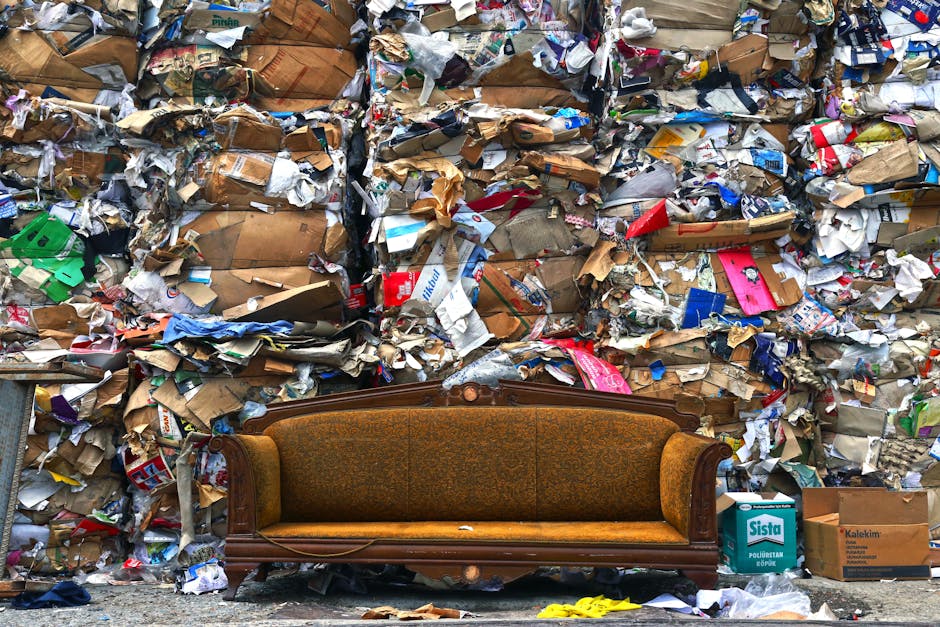
Haringey Council fines for illegal furniture dumping in Harringay: what residents and landlords should know
If you have ever seen a sofa left beside a bin store, a mattress leaning against a fence, or a dining table dumped in a quiet Harringay side street, you already know the feeling: annoyance first, then worry. Who is responsible? Could the council fine someone? And what happens if the item blocks the pavement overnight?
Haringey Council fines for illegal furniture dumping in Harringay are not just about punishment. They are part of a wider effort to keep streets clear, reduce fly-tipping, and stop bulky waste from turning into a neighbourhood eyesore. In practical terms, this matters to tenants, landlords, homeowners, flat sharers, letting agents, and anyone planning a move. The safest approach is simple: understand the rules, avoid risky shortcuts, and arrange proper furniture removal before an unwanted item becomes a costly problem.
This guide explains how illegal furniture dumping is typically treated, what can trigger a fine, how to avoid mistakes, and what better disposal options look like in real life. No fluff. Just the useful stuff.
Why Haringey Council fines for illegal furniture dumping in Harringay Matters
Furniture dumping is not a minor housekeeping issue. In a dense area like Harringay, one abandoned sofa can quickly become a wider nuisance. It can obstruct pavements, attract more rubbish, and make a street feel neglected. That sounds dramatic, but if you live near a busy terrace or a block of flats, you will know how fast one item can set a tone for an entire corner.
The other reason it matters is financial. A person who leaves a mattress, wardrobe, bed frame, or broken chair in the wrong place may face enforcement action. The exact response depends on the circumstances, but councils generally treat fly-tipping and abandoned bulky waste seriously. If the waste is linked to a tenancy change, house clearance, or end-of-lease move, the risk often comes down to poor planning rather than bad intent. And yes, that can still end badly.
There is also a reputational angle. For landlords and managing agents, repeated dumping outside a property can create complaints from neighbours, extra cleaning costs, and avoidable tension. For residents, it can mean more time spent reporting issues instead of getting on with life. No one wants to spend a Saturday morning moving someone else's old sofa away from a pathway.
When people search for Haringey Council fines for illegal furniture dumping in Harringay, they are usually trying to answer one of three things: "How serious is this?", "How do I avoid it?", and "What should I do instead?" This article tackles all three.
How Haringey Council fines for illegal furniture dumping in Harringay Works
In simple terms, if bulky furniture is left where it should not be, the council may investigate whether it counts as illegal dumping or an improper waste disposal. A fine is not automatic every time a sofa appears on the street, but enforcement can happen if there is evidence linking the waste to a person or property.
That evidence might be direct, such as documents left with the item, or indirect, such as witness reports or information from a location where waste was placed for collection in the wrong way. Sometimes the issue is as basic as a resident leaving furniture beside a communal bin rather than arranging a legitimate collection. It seems small at the time. Then the letters start arriving.
The process usually works like this:
- Furniture is dumped or left in a prohibited place.
- The council becomes aware through inspection, complaint, or reporting.
- Officers assess whether it is abandoned waste, a collection issue, or an offence.
- If someone can be linked to the waste, enforcement action may follow.
- The person responsible may be issued a penalty or required to deal with the waste properly.
What makes furniture a frequent problem is its size. Unlike a food wrapper, a sofa is hard to ignore. It is also awkward to move, so people sometimes leave it "just for a bit" outside the front door, at the back of a building, or near a communal area. That is exactly where trouble begins.
For a tenant moving out of a flat in Harringay, the risky part is often timing. If the removal van is booked for one day but the final clear-out happens the day before, items may sit in the wrong place overnight. By morning, the situation is already out of control. A better approach is to line up the removal, the packing, and the disposal all together. A service such as furniture pick-up can help when you need a clear, straightforward way to move bulky items without leaving them behind.
Key Benefits and Practical Advantages
It may sound odd to talk about "benefits" in a fines article, but there are real upsides to doing this properly. Avoiding illegal dumping is not just about staying out of trouble. It saves time, protects your deposit, reduces stress, and keeps your move tidy.
Here are the most practical advantages:
- Lower risk of penalties - if furniture is removed correctly, you are far less likely to face enforcement.
- Cleaner property handovers - especially useful for renters, landlords, and estate agents.
- Better neighbour relations - no one enjoys seeing a sofa on the pavement for three days.
- Less last-minute panic - you avoid the "what do we do with this now?" scramble.
- Safer access for everyone - bulky items in shared spaces can block hallways, entrances, and paths.
There is another benefit people often miss: a proper disposal plan can be cheaper than dealing with a mess afterwards. Not always, of course, but often enough to matter. Once you factor in time off work, extra labour, and possible cleaning charges, a planned collection starts to look sensible rather quickly.
If you are clearing a house after a move or a refurb, combining furniture disposal with broader moving support is usually the least stressful option. A man and van service is often a practical middle ground for people who do not need a full-size removal team but still want bulky items moved safely. For larger jobs, removal services can be more efficient, especially when time is tight and the staircase is narrow. In a lot of Victorian terraces, that matters more than people expect.
Who This Is For and When It Makes Sense
This topic is relevant to more people than you might think. It is not only for households that have accidentally left a chair outside. It also matters to anyone managing property, organising a move, or dealing with furniture that is too large for standard bins.
The main groups who need to pay attention are:
- Tenants - especially at the end of a tenancy or when replacing old furniture.
- Homeowners - when clearing lofts, spare rooms, garages, or gardens.
- Landlords and agents - where abandoned furniture can create liability and complaints.
- Flat sharers - shared responsibility can become unclear very quickly.
- Small businesses - particularly offices replacing desks, chairs, or reception furniture.
- Anyone moving house - because moving day has a habit of exposing every old item you ever meant to sort out.
It makes sense to think about disposal before the moving day arrives. That way, you can decide whether furniture should be reused, collected, donated, taken away with the rest of the move, or dismantled for disposal. If the move involves a business premises, commercial moves and office removals can help keep furniture handling organised and reduce the chance of items being left in shared spaces.
For households planning a larger clear-out, the broader moving process also matters. Services such as home moves, house removals, or a flexible moving van option can make it easier to remove old furniture at the same time rather than leaving it to become a separate problem. Truth be told, that is often where people save themselves the headache.
Step-by-Step Guidance
If you want to avoid a fine or any awkward run-in with the council, a structured approach works best. Keep it simple and do not leave things to the final hour.
1. Identify the furniture you need to remove
Walk through the property and make a proper list. Include sofas, tables, wardrobes, mattresses, shelving, chairs, and anything broken beyond normal use. Look in storage areas too. People regularly forget the spare chair in the shed or the old TV stand under the stairs.
2. Decide whether the item can be reused or repurposed
If the item is still in decent condition, reuse may be the cleanest route. If it is damaged, damp, heavily worn, or unsafe to move, disposal is usually more sensible. Be realistic here. A wobbly wardrobe with a missing back panel is not "vintage character". It is just awkward.
3. Choose the right removal method
This depends on volume, access, and timing. A single chair may be manageable on its own. A heavy three-seater sofa, not so much. For awkward or bulky pieces, use a man with van or a dedicated man with van removal option where the load needs careful handling and quick turnaround.
4. Book the removal before the item becomes a street problem
Do not move furniture outside "temporarily" unless you are absolutely sure it is permitted and will be collected promptly through the correct route. In shared courtyards, communal hallways, and narrow residential streets, temporary placement is often where mistakes happen.
5. Check access, parking, and lifting routes
In Harringay, access can be tight. Narrow roads, limited parking, and top-floor flats are all part of the picture. Measure doorways if needed, and think about whether the item needs to be dismantled. If you are not sure, pack a little patience. It helps.
6. Keep paperwork and communication clear
If you are a landlord or managing agent, keep notes showing that furniture was arranged for lawful removal. If there is ever a question, clear records are useful. For residents, keep confirmation of any booking or collection plan so you know what has been arranged and when.
Expert Tips for Better Results
A few habits make a surprising difference. These are the kinds of things experienced movers and property managers tend to do without thinking, but they save hassle every time.
- Clear bulky items first - the big stuff always causes the most problems if left until the end.
- Separate reusable from damaged furniture - it helps you choose the best disposal route.
- Disassemble where practical - a flat-pack wardrobe is easier to move than a fully assembled one, obviously, but people still skip this step.
- Protect floors and walls - especially in stairwells and hallways.
- Use two people for heavy items - it is safer and avoids damage.
- Schedule furniture removal before final clean - otherwise you clean twice. Nobody wants that.
Another small but useful tip: if you are moving out of a shared property, speak to your housemates early. Confusion about "whose sofa is it?" can create delays, and delays create that risky temporary storage situation outside the building. A calm five-minute conversation can save a lot of drama later on.
If you need a service that can support both transport and handling, the broader range of removals options can be helpful, particularly when furniture needs to be moved quickly from a property rather than left at the curb. For smaller local jobs, movers can be a simple fit, while more involved household projects may benefit from house movers who can manage the heavy lifting properly.
Common Mistakes to Avoid
Most fines and disputes start with a handful of very predictable mistakes. The good news? They are easy to avoid once you know what they look like.
- Leaving furniture outside "for a bit" - this is probably the biggest one.
- Assuming communal space is fair game - it usually is not.
- Not checking who is responsible - especially in shared houses and flats.
- Breaking furniture and scattering parts - which can make the site look like fly-tipping even if that was not the intention.
- Booking too late - leading to rushed decisions and poor placement.
- Forgetting the back garden or shed - old furniture can sit there for months and then become an urgent issue during a move.
One more thing people overlook: if the item is unsightly but not yet in public view, that does not mean it is automatically safe. Private land can still become a problem if waste is left improperly or moved to a shared area. The line can get blurry, and that is where people get caught out.
Tools, Resources and Recommendations
You do not need a truckload of equipment to handle furniture removal well, but a few practical tools make life easier.
- Measuring tape - for doorways, stair turns, and awkward items.
- Furniture sliders - useful on hard floors when moving heavy pieces.
- Blankets or wraps - helps protect items and walls during removal.
- Basic screwdriver set - handy for dismantling beds, tables, and wardrobes.
- Gloves - sensible for grip and protection.
- Clear labels or notes - good for shared homes and mixed loads.
For more organised removals, it also helps to choose a provider that is clear about timing, payment, and handling expectations. You can review pricing and quotes before booking so you know what the process is likely to look like. If you want to understand how items are handled more responsibly, recycling and sustainability information is useful too, because not every item should end up in the same place.
And if you are checking whether a company is set up properly before you trust them with bulky furniture, it helps to look at insurance and safety and the health and safety policy. That may sound a bit formal, but honestly, it is the kind of detail that matters when a heavy wardrobe is being carried down a narrow stairwell at 8:00 on a wet morning.
Law, Compliance, Standards, or Best Practice
This topic touches on waste disposal, property responsibility, and local enforcement. Because of that, a careful approach is the right one. The exact council response can vary depending on where the item was left, whether it was genuinely abandoned, and whether officers can identify the responsible person.
In plain English, best practice is straightforward:
- Do not place furniture on the pavement unless a lawful collection has been arranged.
- Do not assume "someone will take it" counts as disposal.
- Do not leave bulky waste beside communal bins.
- Do not rely on informal handovers unless you are confident the person collecting it is legitimate and the transfer is agreed.
- Keep records of removal arrangements where possible.
For landlords and agents, good compliance also means having a clear process at the end of a tenancy. That might include inspection, notice to the tenant, removal booking, and sign-off once the item is gone. A simple checklist can prevent a lot of awkward conversations later.
For residents, a proper removal plan is usually the cleanest route. Services such as man and van removals or removals near me can be useful when speed and practicality matter, especially if you are dealing with a tight turnaround in a flat or maisonette.
Options, Methods, or Comparison Table
Here is a simple comparison of common furniture disposal approaches. It is not about one being perfect for everyone. It is about choosing the least risky and most practical option for your situation.
| Method | Best for | Pros | Limitations |
|---|---|---|---|
| Leave outside for collection | Only where a lawful collection is arranged | Simple in theory | High risk if timed badly or placed incorrectly |
| DIY transport | Small loads and confident movers | Flexible and direct | Needs access, labour, and a suitable vehicle |
| Man and van support | Single items or moderate bulky loads | Practical, fast, less heavy lifting for you | Not ideal for very large clearances |
| Full removal service | Larger house moves or multi-item clear-outs | Efficient and better for complex jobs | Usually more than a simple one-item option |
| Office or commercial clearance | Desks, chairs, filing and mixed furniture | Organised, scalable, suitable for business use | Needs planning and access coordination |
To be fair, most households do not need the biggest option. They need the right one. A single sofa from a first-floor flat and a full office clearance are very different jobs, even if both involve furniture that has outlived its welcome.
Case Study or Real-World Example
Imagine a small Harringay flat share at the end of a tenancy. Three housemates are moving out on different days, and the biggest item is an old two-seater sofa that no one wants anymore. One person assumes another will sort it. Another says they will "deal with it later." Then the flat is empty, the sofa is still there, and the downstairs entrance starts looking untidy. You can probably see where this goes.
In a better version of the same situation, the group agrees the sofa will be removed before the final handover. They measure the stairwell, book the removal in advance, and make sure the item is not left outside the property. One short job, no drama, no complaint from neighbours, no letter on the doormat.
That is the real lesson here. Furniture dumping often happens because everyone thinks someone else will finish the job. Once the responsibility becomes clear, the problem gets much smaller. Not glamorous, I know. But very effective.
Practical Checklist
Use this checklist before you move or clear out furniture in Harringay:
- List every bulky item that needs to go.
- Check whether any item can be reused, sold, or donated.
- Confirm who is responsible for each item in shared homes.
- Measure doorways, stair turns, and access points.
- Choose the right disposal or removal option.
- Book the collection before moving day if possible.
- Keep furniture out of communal areas unless a lawful collection is arranged.
- Save booking details, messages, or confirmation notes.
- Protect floors and walls during moving.
- Make sure nothing is left behind after the final sweep.
If you are dealing with a bigger house move, it may also help to look at house removalists or a broader removal company solution, especially if the furniture is heavy, awkward, or part of a full property clear-out. Small planning now, fewer headaches later. That is usually the pattern.
Conclusion
Haringey Council fines for illegal furniture dumping in Harringay are really about keeping the area clean, safe, and livable. The fine is only one part of the story. The real issue is the mess, the stress, and the avoidable hassle that comes from leaving bulky furniture in the wrong place.
If you are moving home, clearing a rental, or sorting old office furniture, plan ahead and use a proper removal method. That one decision can protect your deposit, save time, and keep you out of a mess with the council or your neighbours. And let's be honest, that is a pretty good trade.
Get a free quote today and see how much you can save.
Choose the careful route, sort the bulky items properly, and you will feel the difference straight away. A tidy street and a clear move really do make life easier.
Frequently Asked Questions
What counts as illegal furniture dumping in Harringay?
It usually means leaving sofas, beds, wardrobes, tables, or similar bulky items in a place where they should not be, such as a pavement, alley, or communal area, without proper collection or permission.
Can Haringey Council fine me if I leave a sofa outside for a day?
Potentially, yes, if the item is considered abandoned or improperly placed. The risk depends on where it is left, how long it stays there, and whether there is evidence linking it to you or your property.
Is it okay to leave furniture beside the bins in a shared block?
Usually not unless there is a lawful collection arrangement. Shared bin areas can quickly become fly-tipping hotspots, so it is safer to book removal and keep items inside until collection.
What should tenants do with old furniture before moving out?
Tenants should sort items early, agree responsibility with housemates, and arrange removal before the final handover. Leaving bulky waste to the last minute is where most problems start.
Are landlords responsible if furniture is dumped outside a property?
That depends on the circumstances and who left the item there. Still, landlords should keep clear records, inspect the property, and make sure there is a tidy end-of-tenancy process.
What is the safest way to remove large furniture in Harringay?
For bulky or awkward items, a managed removal service is often the safest and least stressful option. It reduces the chance of damage, blocked access, or furniture being left in the wrong place.
Can I be fined if someone else dumps my furniture without permission?
If the council can link the item to you or your property, you may still need to explain what happened. That is why it helps to keep records and only use legitimate removal arrangements.
How do I avoid fly-tipping when clearing a flat or house?
Plan early, separate reusable items, book collection in advance, and never leave bulky waste on the street "temporarily". Temporary has a way of becoming permanent very quickly.
Do removal services help with single items as well as full house moves?
Yes, many can help with both. A smaller job may suit a man and van setup, while bigger clear-outs may need a more complete removal service.
What should I check before booking furniture removal?
Check access, pricing, timing, insurance, and how the provider handles bulky items. It also helps to understand their terms and safety approach before you book.
Can furniture pick-up be part of a house move?
Absolutely. In many cases, it is smarter to combine furniture pick-up with the move itself rather than leave items behind and deal with them separately later.
What happens if bulky waste blocks a pavement or entrance?
It can cause access problems, complaints, and possible enforcement action. Even if the item is not yours, reporting it early helps prevent the situation getting worse.